Learn the key differences between green tea powder and matcha powder, including processing, appearance, flavor, mixing characteristics, and food and beverage applications.
Green Tea Powder vs. Matcha Powder: What Is the Difference?
A Practical Guide for Food & Beverage Buyers
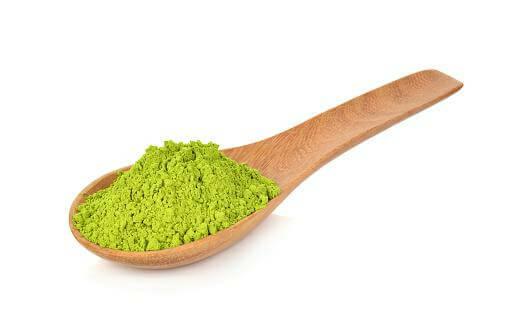
Many people confuse green tea powder and matcha powder, assuming they are essentially the same ingredient. Although both are made from green tea leaves, they differ in cultivation, processing, appearance, flavor, and typical applications.
For food and beverage manufacturers, ingredient distributors, brand owners, and other B2B buyers, understanding these differences can help when selecting the right tea powder for a specific product.
This guide explains the main differences between green tea powder and matcha powder and the factors buyers should consider when choosing between them.
1. Understand How Green Tea Powder and Matcha Are Produced
The biggest difference between green tea powder and matcha lies in how the tea leaves are cultivated and processed.
Green tea powder is generally produced by drying and grinding green tea leaves into a fine powder. The exact processing method can vary depending on the tea variety, raw material, and supplier.
Matcha powder, on the other hand, is traditionally made from tea leaves that are shade-grown before harvesting. The leaves are steamed to prevent oxidation, dried, and processed to remove stems and veins before being finely ground.
This specialized process gives matcha its characteristic fine texture, vibrant green color, and distinctive flavor.
For buyers, understanding the processing method is important because it can directly affect the final ingredient’s color, taste, particle size, and application performance.

2. Compare Appearance, Color, and Texture
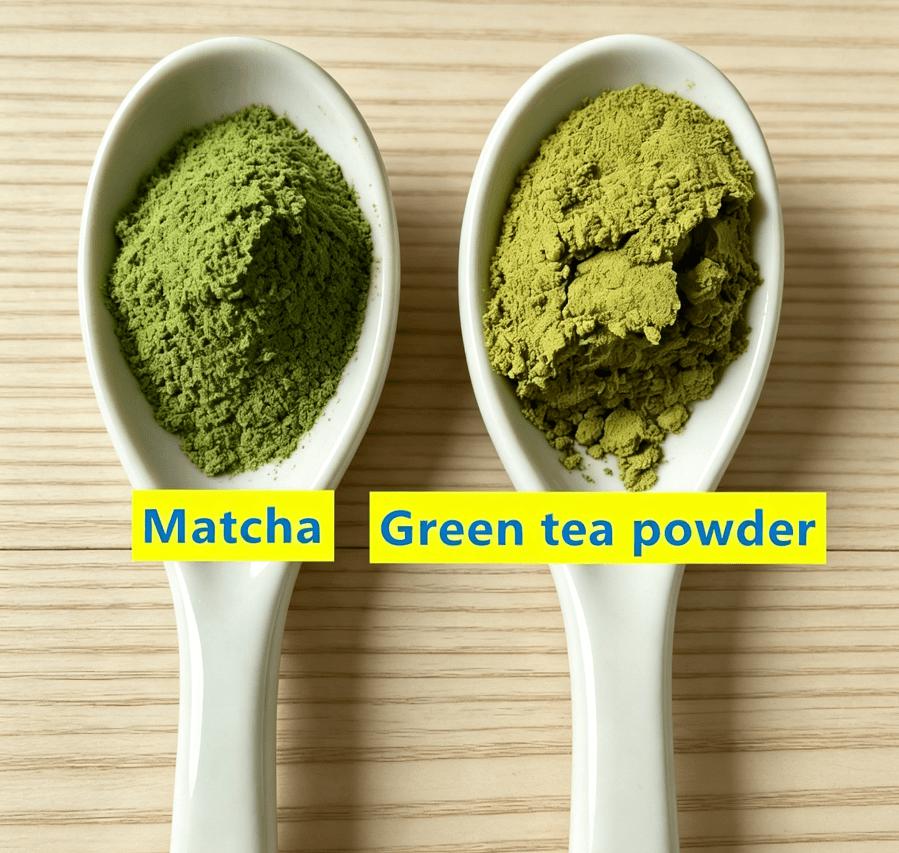
One of the easiest ways to distinguish green tea powder from matcha powder is their appearance.
Green tea powder can range from yellowish-green to darker green depending on the tea material and processing method. Its particle size and color may also vary between different grades and suppliers.
Matcha is typically recognized by its bright green appearance and very fine particle size. The color is closely related to the cultivation and processing methods used to produce the tea.
When properly prepared, matcha forms a smooth suspension in water or other liquids. Green tea powder may settle more quickly depending on its particle size and processing characteristics.
For products where visual appearance and mouthfeel are important, these differences can influence the final formulation.
3. Understand the Differences in Flavor
Green tea powder and matcha powder also have different typical flavor profiles.
Green tea powder generally provides a straightforward green tea flavor, which can range from mild and fresh to more pronounced and bitter depending on the raw material and processing method.
Matcha is known for a richer and more complex flavor profile, often described as vegetal, smooth, slightly sweet, and umami-forward.
The flavor of both ingredients can vary significantly depending on tea variety, growing conditions, processing, grade, and storage.
For food and beverage manufacturers, it is therefore important to evaluate the actual sample rather than selecting a powder based only on its name.
4. Compare Mixing and Brewing Characteristics
The way the powder behaves in a finished beverage is another important consideration.
Because matcha is made from finely ground tea material, it is designed to be consumed as a whole-leaf powder suspended in the liquid. When properly whisked or mixed, it can create a smooth and visually uniform beverage.
Green tea powder can also be used in beverages and food formulations, but its mixing behavior depends on particle size and processing characteristics. Some green tea powders may settle more quickly after mixing.
For applications such as lattes, ready-to-mix beverages, smoothies, and other powdered drink formulations, buyers should evaluate:
- Particle size
- Dispersibility
- Suspension characteristics
- Color stability
- Flavor profile
- Processing conditions
These factors can affect the performance of the ingredient in the finished product.
5. Compare Applications in Food and Beverage
Both green tea powder and matcha powder can be used in a wide range of food and beverage applications.
Green Tea Powder
Green tea powder can be used in:
- Bakery products
- Cookies and cakes
- Tea-flavored foods
- Beverage formulations
- Smoothies
- Desserts
- Food processing applications
It can be a practical option when manufacturers are looking for a natural green tea flavor and a cost-effective tea ingredient.
Matcha Powder
Matcha powder is commonly used in:
- Matcha lattes
- Plant-based beverages
- Functional drinks
- Smoothies
- Ice cream
- Desserts
- Bakery products
- Confectionery
- Café and foodservice products
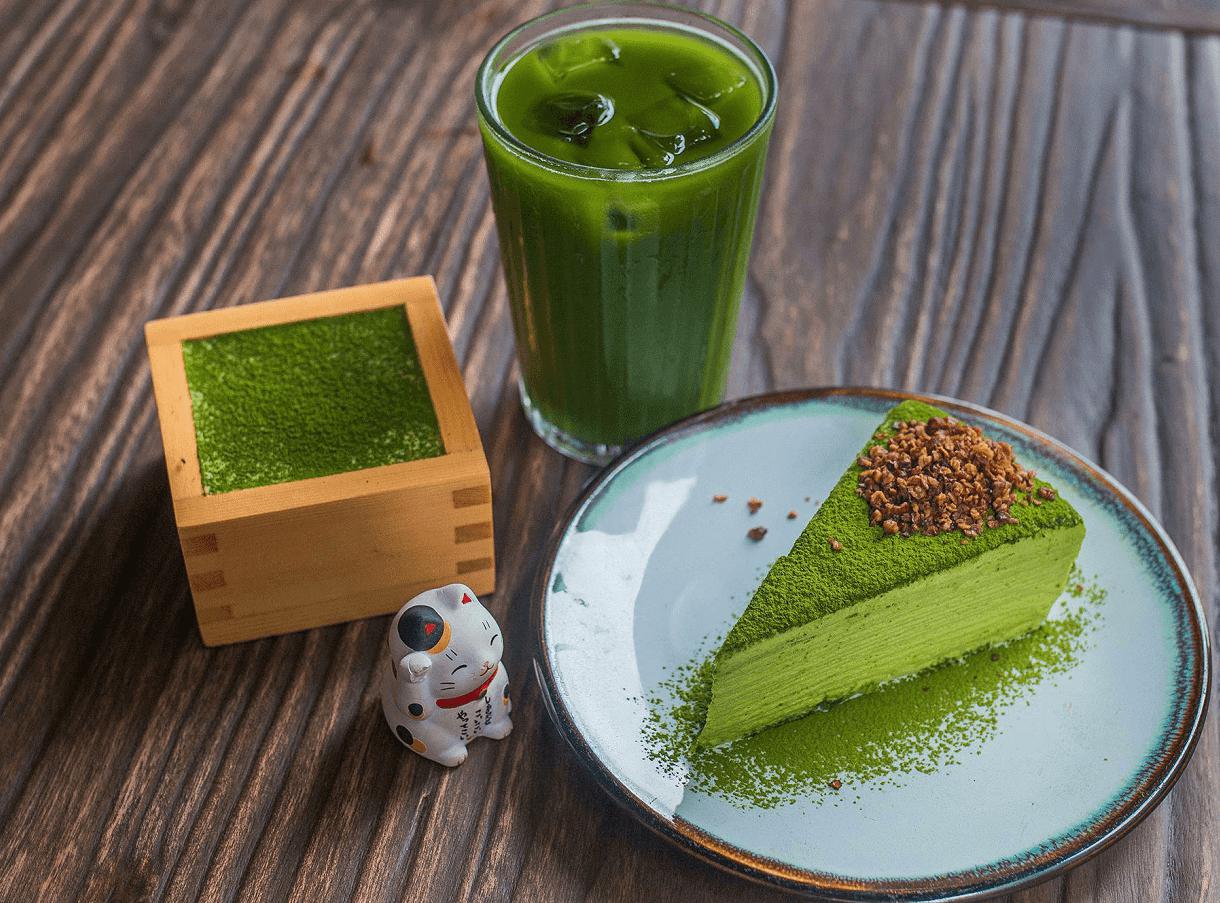
For premium beverage and food applications, matcha can provide a distinctive green color, characteristic flavor, and recognizable product identity.
You can explore our Food & Beverage ingredients for additional ingredient solutions.
6. Consider Product Specifications Before Buying
For B2B buyers, the name of the ingredient is only one part of the purchasing decision.
Different grades of green tea powder and matcha powder may have different specifications and application characteristics.
Before requesting a quotation, buyers should confirm:
- Raw material and tea variety
- Origin
- Processing method
- Particle size
- Color
- Flavor profile
- Caffeine content
- Moisture
- Microbiological specifications
- Heavy metal requirements
- Pesticide residue requirements
- Packaging
- Shelf life
- MOQ
For matcha, additional considerations may include grade and intended application, such as culinary, beverage, or foodservice use.
Clear specifications help buyers compare products more accurately and avoid comparing ingredients that are not actually equivalent.
7. Choose the Right Powder for Your Application
There is no single tea powder that is suitable for every application.
If your product requires a straightforward green tea ingredient and cost efficiency is an important consideration, green tea powder may be appropriate.
If your formulation requires a vibrant green appearance, fine texture, distinctive matcha flavor, and premium product positioning, matcha powder may be more suitable.
Our Matcha Green Tea Powder is available for food and beverage applications where matcha characteristics are required.
When selecting a tea powder, buyers should consider the complete formulation rather than focusing on one factor such as price or color.
Green Tea Powder vs. Matcha Powder: Quick Comparison
| Feature | Green Tea Powder | Matcha Powder |
|---|---|---|
| Raw material | Green tea leaves | Specially processed tea leaves |
| Cultivation | Depends on tea variety | Traditionally shade-grown |
| Processing | Drying and grinding | Steaming, drying, stem/vein removal and fine grinding |
| Particle size | Varies by product | Typically very fine |
| Color | Green to darker green | Typically vivid green |
| Flavor | Green tea flavor, varying by grade | Rich, smooth and umami-forward |
| Mixing | May settle depending on particle size | Designed to remain suspended when properly prepared |
| Applications | Food, bakery, beverages and desserts | Lattes, beverages, desserts, bakery and premium food products |
| Positioning | Versatile tea ingredient | Commonly positioned as a premium tea ingredient |
The actual characteristics of each product depend on the raw material, processing method, grade, and supplier specifications. Buyers should evaluate samples and technical data before making a final purchasing decision.
Questions to Ask When Buying Tea Powder
Before placing an order, food and beverage buyers may ask:
Product Information
- What type of tea leaves are used?
- Where is the raw material sourced?
- How is the tea powder processed?
- What is the particle size?
- What color and flavor profile can be expected?
Quality Control
- Can you provide a Certificate of Analysis (COA)?
- What microbiological specifications are available?
- Are heavy metal and pesticide residue tests available when required?
- How is batch-to-batch consistency maintained?
Supply Capability
- What is the MOQ?
- What packaging options are available?
- Can you support repeat orders?
- What is the typical lead time?
Application Support
- Is the powder suitable for beverages?
- Is it suitable for bakery or dessert applications?
- Can samples be provided for formulation testing?
- Can product specifications be discussed according to the target market?
These questions help buyers compare suppliers and select a tea powder that matches their product requirements.
Final Thoughts
Green tea powder and matcha powder are related tea ingredients, but they are not identical products.
The main differences come from cultivation, processing, particle size, color, flavor, and typical application. Green tea powder can provide a versatile green tea ingredient for a variety of food and beverage products, while matcha is commonly selected for applications where its distinctive color, flavor, texture, and premium positioning are desired.
For B2B buyers, the right choice depends on the requirements of the finished product, including specifications, application, target market, and cost considerations.
At Yuhui Biotech, we supply tea powders and botanical ingredients for food and beverage applications. If you are sourcing Matcha Green Tea Powder or other tea ingredients, our team can discuss your requirements and provide relevant product information.
Explore our Food & Beverage ingredients or Contact Us to discuss your sourcing requirements.