
A guide to sourcing amygdalin powder from bitter apricot seeds, covering HPLC assay testing, 5%–99% specifications, quality assessment and supplier selection.
Amygdalin Powder 5%–99%: Specifications, HPLC Testing and Supplier Guide
Amygdalin is a naturally occurring cyanogenic glycoside found in the seeds of several plants, most notably bitter apricot seeds. As a botanical raw material, it draws interest from research laboratories, formulators and bulk buyers seeking plant-derived compounds with defined quality specifications.
Sourcing amygdalin powder requires more than matching a product name. Buyers should verify its botanical origin, assay specification, testing methodology, batch-to-batch consistency and stock availability.
We supply amygdalin powder derived from bitter apricot seeds, with specifications ranging from 5% to 99%. All available specifications are tested using HPLC, and multiple grades are available from stock.
1. What Is Amygdalin?
Amygdalin is a naturally occurring cyanogenic glycoside found in certain plant seeds. It belongs to a class of natural compounds containing sugar units and a cyanide-releasing structural group.
It is particularly associated with bitter apricot seeds, as well as bitter almonds, peach kernels, plum kernels and other seeds from the Rosaceae family.
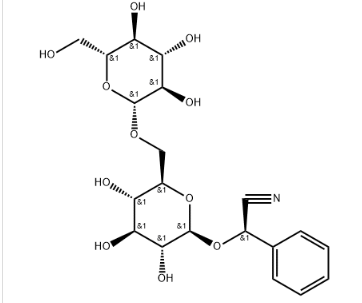
Its chemical formula is C₂₀H₂₇NO₁₁, with a molecular weight of approximately 457.43 g/mol.
For botanical raw material buyers, amygdalin is typically assessed based on its assay value, botanical source and analytical quality documentation.
2. Natural Sources of Amygdalin
Amygdalin naturally occurs in the seeds of multiple plant species. Commonly reported sources include:
- Bitter apricot seeds
- Bitter almond seeds
- Peach kernels
- Plum kernels
- Seeds from other selected Rosaceae species
Natural amygdalin levels vary depending on plant species, cultivar, growing environment, seed maturity and post-harvest processing.
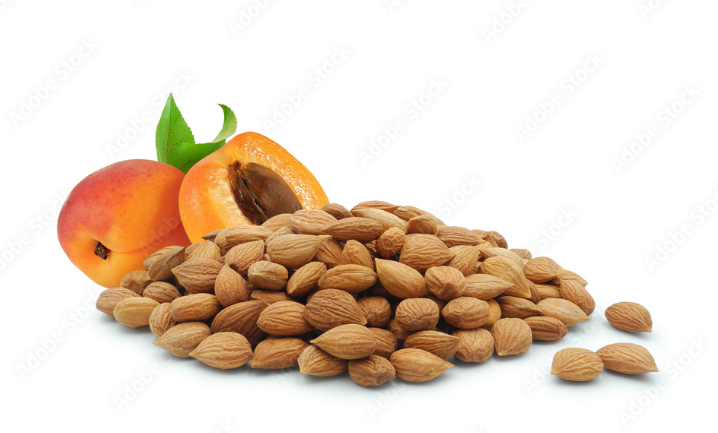
Bitter apricot seeds are one of the recognized botanical sources of amygdalin.
Our amygdalin powder is derived from bitter apricot seeds, giving buyers a clearly identified botanical source.
3. Amygdalin Chemical Properties
Understanding amygdalin’s chemical characteristics helps purchasers assess material suitability and analytical requirements.
| Property | Description |
|---|---|
| Product Name | Amygdalin |
| Chemical Formula | C₂₀H₂₇NO₁₁ |
| Molecular Weight | Approximately 457.43 g/mol |
| Compound Class | Cyanogenic glycoside |
| Natural Source | Bitter apricot seeds and other plant seeds |
| Product Form | Powder |
Amygdalin contains two glucose units linked to a cyanohydrin-related structure. Its chemical characteristics make chromatographic methods useful for identification and quantitative analysis.
As a cyanogenic compound, amygdalin can release hydrogen cyanide under certain enzymatic or chemical conditions. This property should be considered in material handling, quality control and applicable safety requirements.
4. Amygdalin Powder Specifications: 5%–99%
Buyers may select different amygdalin assay specifications according to their ingredient sourcing, formulation or research requirements.
We offer amygdalin powder in specifications ranging from 5% to 99%, providing multiple options for B2B buyers.
Amygdalin Product Specifications
| Parameter | Details |
|---|---|
| Product | Amygdalin Powder |
| Botanical Source | Bitter Apricot Seed |
| Plant Part | Seed |
| Product Form | Powder |
| Specification Range | 5%–99% |
| Testing Method | HPLC |
| Availability | Multiple specifications in stock |
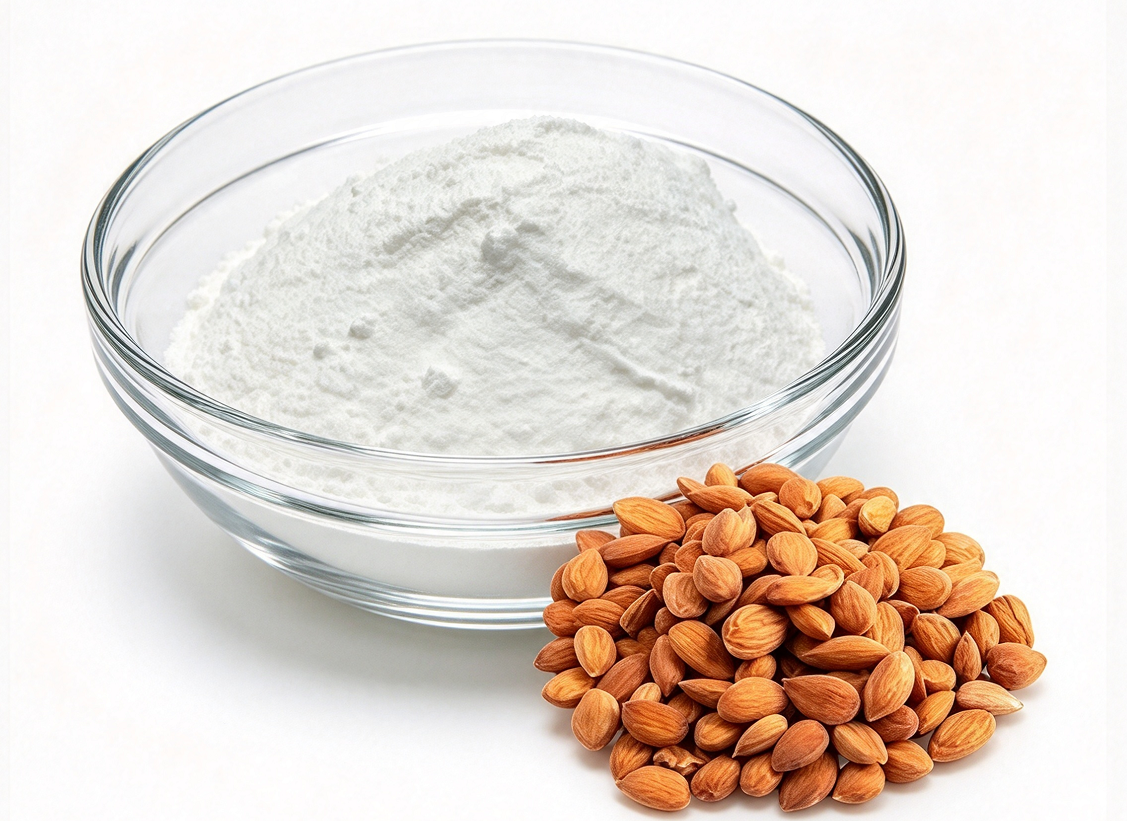
When comparing different grades, buyers should review the declared assay together with the analytical method and relevant quality documentation.
Contact us to discuss available specifications and identify a suitable grade for your sourcing requirements.
5. Amygdalin HPLC Testing and Quality Assessment
Analytical testing is an important consideration when purchasing standardized botanical ingredients.
High-performance liquid chromatography (HPLC) is a widely used analytical technique for separating and quantifying compounds in complex samples.
For amygdalin powder, HPLC analysis can be used to determine amygdalin content and assess whether a sample meets its specified assay level.
All our available amygdalin specifications, from 5% to 99%, are tested using HPLC.
When evaluating an amygdalin supplier, buyers should consider the following:
- Amygdalin assay: Compare HPLC results against the stated product specification.
- Analytical method: Review sample preparation and chromatographic conditions when comparing analytical results.
- Batch consistency: Consistent specifications and appropriate quality controls are important for repeat purchasing.
- Additional quality checks: Depending on the target market and intended application, buyers may require information on residual solvents, heavy metals, microbiological limits and cyanide-related safety testing.
An HPLC assay result for amygdalin content does not independently establish cyanide safety. Separate cyanide-related testing may be necessary depending on the applicable requirements.
6. How to Choose an Amygdalin Supplier
Selecting an appropriate amygdalin supplier involves evaluating both product quality and supply availability.
B2B buyers can consider the following points:
- Clearly defined specifications: Confirm available amygdalin assay levels and corresponding product information.
- Analytical testing: Check whether HPLC is used for quantitative analysis.
- Botanical source: Understand the plant species and plant part used as the raw material.
- Quality documentation: Ask about available COA and other relevant technical documents.
- Stock availability: Confirm whether the required specification is available for current orders.
- Communication and support: Discuss packaging, documentation and shipping requirements with the supplier.
Evaluating these criteria can help buyers compare suppliers and make more informed sourcing decisions.
7. Amygdalin Powder Supplier: Multiple Specifications in Stock
For buyers seeking amygdalin powder derived from bitter apricot seeds, we offer specifications ranging from 5% to 99%.
Our supply options include:
- Amygdalin powder with specifications ranging from 5% to 99%
- Multiple specifications available from stock
- HPLC testing across all available specifications
- B2B raw material supply
- Product information and sourcing support
Whether you are evaluating a lower-assay grade or a high-purity amygdalin specification, you can contact our team to discuss your requirements.
For an accurate quotation, please indicate your preferred specification, estimated order quantity, destination country and any specific documentation requirements.
8. Frequently Asked Questions About Amygdalin Powder
Q: What is the botanical source of your amygdalin powder?
A: Our amygdalin powder is derived from bitter apricot seeds.
Q: What assay specifications do you supply?
A: We offer amygdalin powder in specifications ranging from 5% to 99%, with multiple specifications available from stock.
Q: What should buyers verify before purchasing amygdalin?
A: Buyers should review the assay specification, HPLC analytical method, botanical source, batch consistency and relevant quality documentation.
Q: Is amygdalin the same as Vitamin B17?
A: Vitamin B17 is an informal historical term associated with amygdalin and laetrile. It is not a scientifically recognized essential vitamin. Amygdalin is the chemical name used in ingredient specifications.
9. About Our Amygdalin Powder Supply
We supply bitter apricot seed-derived amygdalin powder with specifications ranging from 5% to 99%. All available specifications are tested using HPLC, and multiple grades are available from stock.
Learn more about our Amygdalin Extract and contact our team for product specifications, quality information and B2B sourcing inquiries.
Contact Us for Amygdalin Powder Supply
Disclaimer: This article provides general ingredient and sourcing information. Amygdalin is a cyanogenic glycoside and requires appropriate handling and safety assessment. Product use must comply with applicable regulations and intended-use requirements.