
A guide to sourcing bulk matcha powder, covering low-temperature grinding, production capacity, organic certifications, food & beverage applications and private label services.
For food manufacturers, beverage brands, and ingredient distributors, choosing a reliable bulk matcha powder supplier involves more than comparing prices. Processing conditions, product specifications, quality documentation, and supply capacity all matter when sourcing matcha for commercial production.
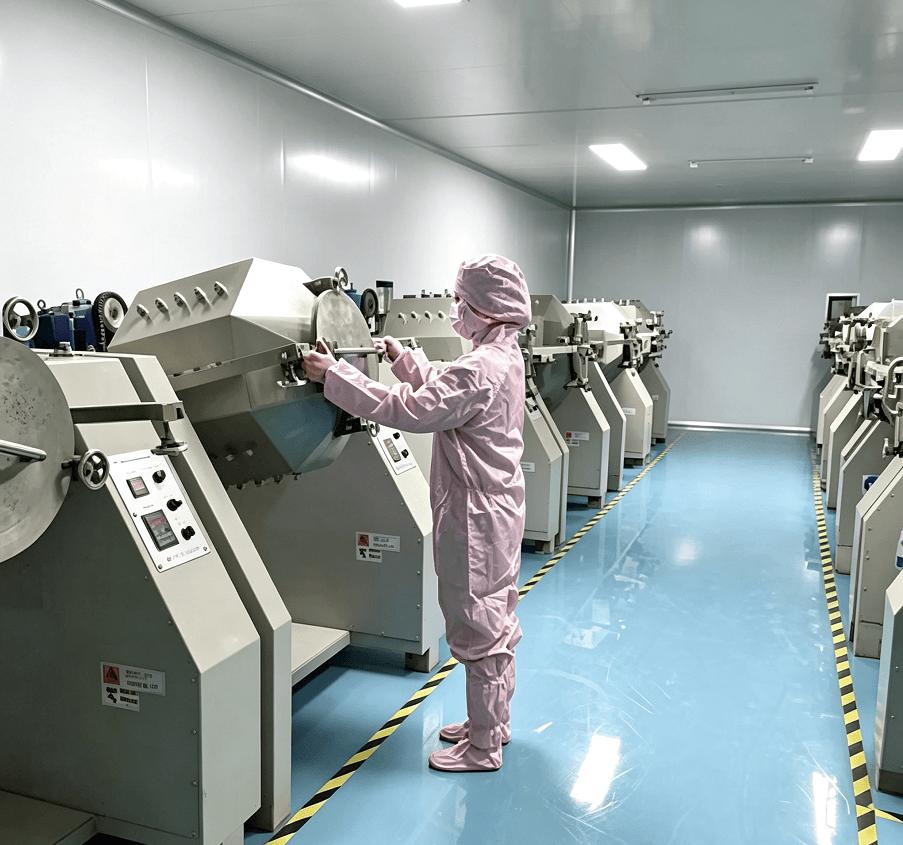
Our Hangzhou-based matcha production facility has an annual production capacity of over 1,000 metric tons. Its grinding process uses cooling equipment to maintain temperatures below 10°C, helping reduce heat-related color deterioration during production.
Whether you are sourcing matcha for beverages, bakery products, desserts, or private-label projects, understanding these production and quality factors can help you make a more informed purchasing decision.
1. Low-Temperature Ground Matcha Powder
Grinding conditions can affect the color, aroma, and other quality characteristics of matcha powder. Excessive heat during processing may contribute to undesirable changes in the finished powder.
At our Hangzhou facility, cooling equipment is used to control the grinding temperature below 10°C during production. This process is intended to help protect the powder’s green color from heat-related deterioration.
When evaluating low-temperature ground matcha powder, buyers should consider more than the processing temperature alone. Finished-product evaluation may include:
- Color and visual appearance
- Aroma and flavor
- Particle size and fineness
- Performance in the intended food or beverage application
- Batch-to-batch consistency
For manufacturers, the most suitable matcha specification depends on the final product. Matcha used in beverages may require different sensory and dispersion characteristics from matcha used in bakery products or desserts.
2. Matcha Powder Production Capacity: Over 1,000 MT Annually
A supplier’s production capacity is an important consideration for businesses planning regular or large-volume purchases.
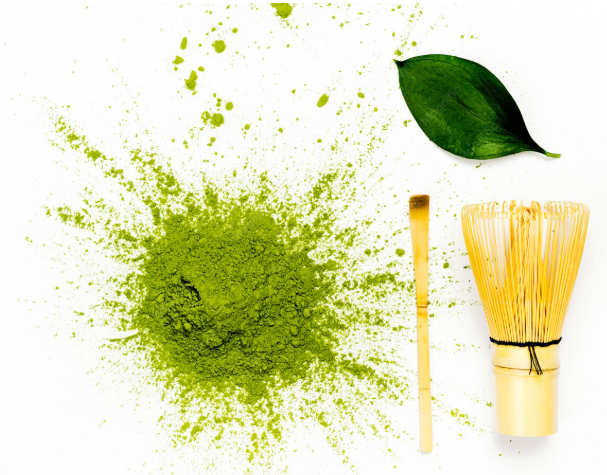
Our Hangzhou matcha facility has a reported annual production capacity of more than 1,000 metric tons. This capacity can support discussions about bulk sourcing and ongoing supply requirements.
Before placing an order, buyers should confirm:
- Available product specifications
- Minimum order quantity
- Sample availability
- Production lead time
- Packaging options
- Requirements for repeat orders and batch consistency
Actual availability and lead times depend on the selected specification and current production schedule.
For importers and distributors, discussing expected order volumes and purchasing frequency in advance can help determine whether a supplier is suitable for long-term cooperation.
3. Organic Matcha Powder and Quality Documentation
For buyers looking for organic matcha powder, certification and product testing should be checked carefully.
Our Hangzhou facility has organic certification covering the relevant matcha product. Buyers should confirm the certificate’s validity, issuing body, certified operator, product scope, and suitability for the intended destination market before purchase.
Depending on the product and market requirements, buyers may also request supporting quality documentation, such as:
- Certificate of Analysis (COA)
- Pesticide residue test reports
- Organic certification documents
- Product specifications
- Other applicable quality or compliance documents
Organic certification and pesticide residue testing serve different purposes. A certificate does not replace a laboratory test report, and a test report does not establish organic status.
Importers should also check whether the certification is recognized under the organic regulations applicable in their destination market.
4. Bulk Matcha Powder for Food Manufacturers
Bulk matcha powder is used in a variety of commercial food and beverage applications. The appropriate specification depends on the recipe, processing conditions, desired flavor, and target price point.
Beverages Matcha can be used in matcha lattes, powdered drink mixes, smoothies, and other beverage formulations. Buyers should evaluate flavor, color, fineness, and dispersion in the intended formulation.
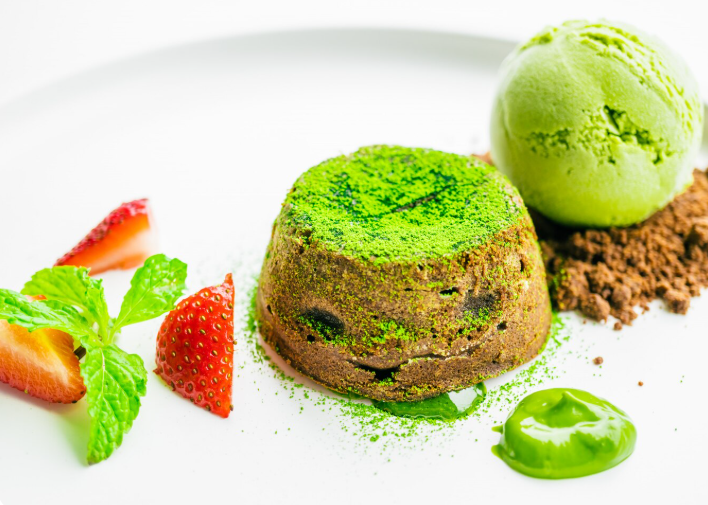
Bakery and Desserts Matcha powder is used in cakes, cookies, pastries, chocolates, ice cream, and other desserts. Application testing can help determine whether the selected powder provides the desired color and flavor after processing.
Food Ingredient Manufacturing Food manufacturers and ingredient distributors may require consistent specifications, suitable packaging, and reliable repeat supply. Samples and technical information can help purchasing teams assess product suitability before ordering in bulk.
For sourcing decisions, buyers should evaluate the finished product in their own formulation rather than relying on appearance alone.
5. Private Label Matcha Powder Supplier and Custom Grinding Services
Businesses developing their own product lines may need more than a standard bulk ingredient.
Our supplier information indicates that contract grinding and private-label services are available. These services may suit food brands, beverage companies, distributors, and other businesses sourcing matcha for commercial projects.
When evaluating a private label matcha powder supplier, discuss the following before confirming a project:
- Raw material and product specifications
- Custom grinding requirements
- Minimum order quantities
- Packaging and labeling
- Available quality documents
- Production lead time and sample approval
Custom grinding requirements should be confirmed in advance to determine feasibility and ensure the finished powder meets the intended application needs.
6. How to Choose a Matcha Powder Supplier
Before selecting a supplier, B2B buyers should review several key factors.
- Production location: Confirm where the matcha is processed and clarify the origin of the raw tea material.
- Processing conditions: Ask how grinding temperature is controlled and how finished-product quality is assessed.
- Specifications: Review color, flavor, particle size, and other parameters relevant to the application.
- Testing and certification: Request the relevant reports and verify that certificates cover the product being purchased.
- Supply capacity: Discuss annual capacity, available quantities, lead times, and the potential for repeat orders.
- Customization: If you need private labeling or contract grinding, confirm the service scope, packaging, and minimum order requirements.
A supplier evaluation based on documented information, representative samples, and application testing is more reliable than choosing on price alone.
7. Source Matcha Green Tea Powder for Your Business
Looking for a bulk matcha powder supplier for your food, beverage, or ingredient business?
Our Hangzhou matcha production facility offers reported annual capacity of over 1,000 metric tons, with grinding temperatures controlled below 10°C during production. Organic certification is available for the covered product, and private-label and contract grinding services can be discussed according to project requirements.
Explore our product page for more information about our offering.
Contact us to discuss your target specifications, quality documentation, sample requirements, and bulk sourcing needs: Contact Page.